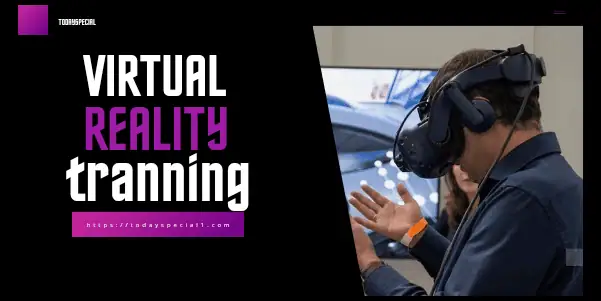
In today’s fast-paced, globally connected world, remote teams have become the backbone of many organizations. However, managing and training these dispersed teams effectively remains a significant challenge. Enter VR training modules—a groundbreaking solution that is transforming how remote teams learn, collaborate, and grow. By leveraging the power of virtual reality, companies can now deliver immersive, engaging, and highly effective training experiences to their remote workforce. In this blog, we’ll explore how VR training is reshaping remote team development and why it’s a game-changer for businesses.
The Challenges of Training Remote Teams
Remote work offers flexibility and access to a global talent pool, but it also comes with unique challenges, especially when it comes to training. Traditional training methods, such as video calls, webinars, and written materials, often fail to engage employees fully. Remote team members may feel disconnected, leading to lower retention rates and a lack of practical application of skills. Additionally, coordinating training sessions across different time zones can be a logistical nightmare.
This is where VR training modules step in. By creating a virtual environment, VR training bridges the gap between physical and remote workspaces, offering an interactive and immersive learning experience that traditional methods simply cannot match.
What Are VR Training Modules?
VR training modules are interactive, virtual reality-based programs designed to simulate real-world scenarios. These modules allow employees to practice skills, solve problems, and collaborate with teammates in a controlled, risk-free environment. Whether it’s onboarding new hires, teaching technical skills, or improving soft skills like communication and leadership, VR training can be tailored to meet a wide range of organizational needs.
For remote teams, VR training offers a unique advantage: it creates a sense of presence. Employees can feel as though they are in the same room with their colleagues, even if they are thousands of miles apart. This level of immersion fosters better engagement, retention, and teamwork.
Benefits of VR Training for Remote Teams
- Enhanced Engagement and Retention
Unlike traditional training methods, VR training captures the full attention of participants. The immersive nature of VR ensures that employees are actively involved in the learning process, leading to higher retention rates and better application of skills in real-world scenarios. - Realistic Simulations
VR training modules can replicate real-life situations with remarkable accuracy. For example, a sales team can practice pitching to a virtual client, or a customer service team can handle difficult customer interactions in a simulated environment. This hands-on approach helps employees build confidence and competence. - Improved Collaboration
Remote teams often struggle with collaboration due to physical distance. VR traning allows team members to interact with each other in a virtual space, fostering better communication and teamwork. Whether it’s solving a problem together or participating in a group activity, VR creates a sense of unity among remote employees. - Cost-Effective and Scalable
While the initial investment in VR technology may seem high, it pays off in the long run. VR training eliminates the need for travel, physical training materials, and in-person instructors. Plus, once a module is created, it can be used repeatedly for multiple teams across different locations. - Personalized Learning Experiences
VR training modules can be customized to meet the specific needs of individual employees or teams. Whether it’s adjusting the difficulty level or focusing on particular skills, VR allows for a personalized approach to learning.
Applications of VR Training Modules for Remote Teams
- Onboarding and Orientation
New hires can explore their virtual office, meet their colleagues, and learn about company policies—all within a VR environment. This makes the onboarding process more engaging and memorable. - Technical Skills Development
From IT troubleshooting to machinery operation, VR training modules can simulate complex technical tasks, allowing employees to practice and perfect their skills without the risk of real-world consequences. - Soft Skills Training
VR is an excellent tool for developing soft skills like communication, leadership, and conflict resolution. Employees can participate in role-playing scenarios that mimic real-life interactions, helping them build confidence and empathy. - Crisis Management and Safety Training
For industries like healthcare, manufacturing, or emergency services, VR training can simulate high-pressure situations, preparing employees to respond effectively in real-life emergencies.
Implementing VR Training Modules for Your Remote Team
Ready to take your remote team training to the next level? Here’s how to get started with VR training modules:
- Identify Your Training Needs
Determine which areas of your team’s development could benefit most from VR training. Is it technical skills, soft skills, or something else? - Choose the Right VR Platform
There are numerous VR platforms and tools available, each with its own strengths. Research and select a platform that aligns with your training goals and budget. - Develop Customized Modules
Work with VR developers to create training modules tailored to your team’s needs. Ensure the content is engaging, interactive, and relevant to your industry. - Provide Access to VR Equipment
Equip your remote team with VR headsets and other necessary hardware. Many modern VR systems are affordable and user-friendly, making them accessible for businesses of all sizes. - Monitor and Evaluate Progress
Use analytics and feedback to track the effectiveness of your VR training program. Make adjustments as needed to ensure continuous improvement.
The Future of VR Training for Remote Teams
As technology continues to evolve, the potential for VR training modules is virtually limitless. Advances in AI, haptic feedback, and augmented reality (AR) will further enhance the realism and effectiveness of VR training. For remote teams, this means even greater opportunities for collaboration, skill development, and professional growth.
In a world where remote work is becoming the norm, VR traning is no longer a luxury—it’s a necessity. By embracing this innovative approach, businesses can empower their remote teams to thrive in an increasingly competitive landscape.
Conclusion
VR training modules are revolutionizing the way remote teams learn and grow. By offering immersive, engaging, and practical training experiences, VR bridges the gap between physical and remote workspaces, fostering better collaboration and skill development. Whether you’re looking to onboard new hires, teach technical skills, or improve soft skills, VR training is a powerful tool that can take your remote team to new heights.
Investing in VR traning today is an investment in the future of your organization. So, why wait? Start exploring the possibilities of VR training modules and unlock the full potential of your remote team.