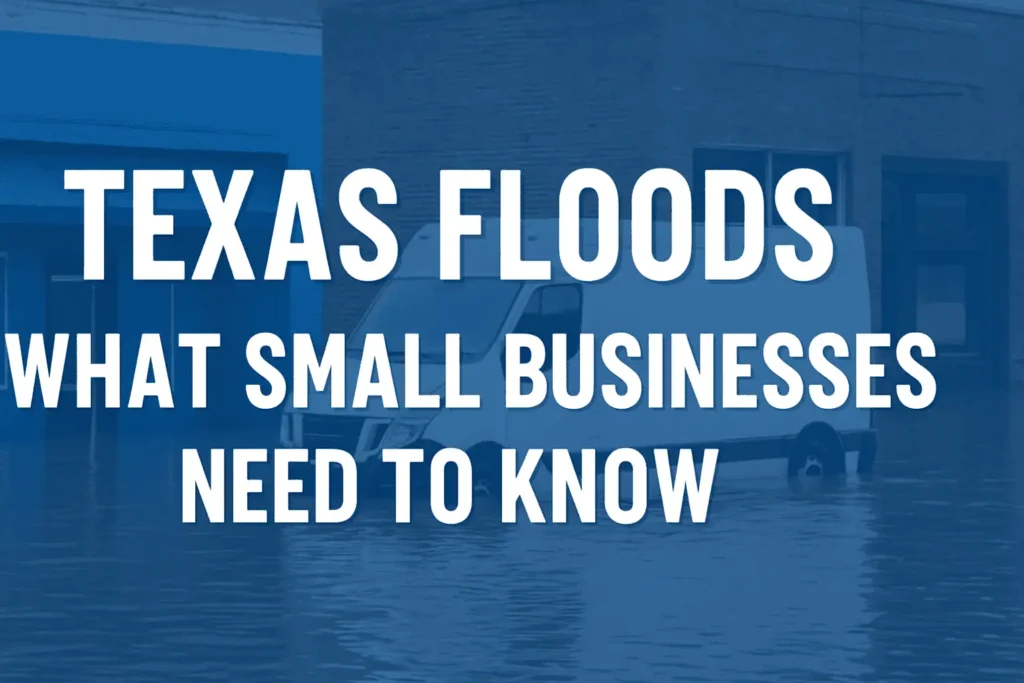
When disaster strikes, it doesn’t send a warning. For thousands of small businesses across the Lone Star State, the recent Texas floods were a brutal reminder that preparedness isn’t optional — it’s essential. These floods didn’t just wash away buildings; they washed away dreams, revenue, and stability. In this guide, we’ll explore how the Texas floods impacted small businesses, the lessons we can learn, and the steps every business owner should take to become disaster-resilient.
Understanding the Texas Floods: What Happened?
In early 2025, severe storms swept across the state, leading to catastrophic Texas floods. Rivers and creeks overflowed, while overwhelmed drainage systems failed to contain the torrential rainfall. The result: submerged streets, damaged infrastructure, and hundreds of small businesses forced to close their doors indefinitely.
For small business owners, the immediate concern wasn’t just the physical damage — it was the halt in operations, the loss of customers, and the uncertainty about recovery timelines.
The Economic Blow to Small Businesses
The Texas floods caused billions in damage, but for small businesses, the losses were deeply personal. Local shops, service providers, and startups found themselves without power, internet, or access to their facilities. Inventory was destroyed. Equipment was lost. Rent was still due, even when customers weren’t coming through the doors.
Unlike large corporations, most small businesses don’t have the resources to absorb these shocks. A stable income every week is what keeps many people afloat. Without a safety net, even a week of closure can lead to permanent shutdown.
Why Most Businesses Were Caught Off Guard
One of the biggest takeaways from the Texas floods is that many small businesses weren’t prepared — not because they didn’t care, but because they didn’t know how to be.
Common reasons:
- Lack of emergency savings
- No disaster response plan
- Outdated or inadequate insurance
- Inability to operate remotely
Preparation requires foresight, and unfortunately, many business owners are so focused on daily operations that long-term risk planning falls to the side.
Disaster Recovery Lessons from the Texas Floods
Here’s what every small business owner should learn from the Texas floods:
1. Have a Business Continuity Plan
Create a document outlining strategies for ensuring business continuity during a crisis. Outline responsibilities, communication plans, and alternative suppliers.
2. Know Your Critical Data
Document all important records: client data, supplier contacts, and financial statements. Store these securely in the cloud.
3. Test Your Response
Don’t just plan — practice. Run drills with your team to ensure everyone knows what to do if disaster strikes.
Creating a Financial Emergency Plan
If the Texas floods taught us anything, it’s that small businesses need a financial cushion. Here’s how to build yours:
- Ensure you have savings to sustain operations for three months.
- Use separate accounts: Don’t mix daily funds with emergency savings.
- Automate contributions: Set up recurring transfers to build funds consistently.
Even $500 set aside monthly adds up and could save your business during a disaster.
Insurance and Beyond: Are You Really Covered?
Many small business owners affected by the Texas floods discovered too late that their insurance policies didn’t cover flood damage or business interruption.
Key action items:
- Review your policies annually.
- Understand exclusions (especially natural disaster clauses).
- Flood insurance is advisable for businesses in flood-risk areas.
- Talk to an agent about business interruption coverage.
Don’t assume you’re protected — verify.
Protecting Digital Infrastructure
When the Texas floods hit, many businesses lost access to important digital tools. Servers were down, computers were ruined, and without remote systems, operations halted completely.
Steps to secure your digital assets:
- Use cloud-based accounting and CRM tools
- Back up files automatically
- Protect passwords with a secure manager
- Invest in cybersecurity
Having remote access to your business systems could mean the difference between survival and shutdown.
Building a Crisis Communication Strategy
A lack of communication during a crisis only adds to the chaos. The Texas floods showed us that clear, consistent messaging can build trust and calm.
Your crisis communication plan should include:
- Templates for client updates
- A social media response plan
- Team messaging protocols (email, text, phone trees)
Staying visible and honest during a crisis keeps your customers loyal and informed.
Government Aid and Relief Programs
Following the Texas floods, several relief programs were introduced — but many small businesses didn’t know about them or missed deadlines.
Avoid that mistake:
- Subscribe to SBA and FEMA alerts
- Develop a strong connection with your nearest Small Business Development Center (SBDC)
- Keep financial documents updated for quick loan or grant applications
Knowledge of resources is power — and speed matters.
How to Future-Proof Your Small Business
What can small business owners do now to protect against the next Texas floods-like disaster?
- Diversify revenue streams (online, delivery, partnerships)
- Digitize operations wherever possible
- Invest in staff training for emergencies
- Form mutual aid networks with nearby businesses
- Keep learning — attend workshops, read case studies, update your emergency plans yearly
Being proactive means you don’t just survive — you lead.
Final Thoughts: Lessons Beyond Texas
The Texas floods weren’t just a regional issue — they were a national lesson. Every small business, no matter the location, should treat this event as a warning.
Disasters will happen. It’s not about if, but when. The readiness of today defines the success of tomorrow. Don’t wait for the water to rise — start building your resilience now.